DDN Logo
EXPLAINED

WHAT IS MESENCHYMAL STEM CELL THERAPY?

BY YUNING WANG, PHD · ILLUSTRATED BY JULIE DAVIE

Born to differentiate and heal, mesenchymal stem cells carry great potential for treating a wide spectrum of diseases.

Since the discovery of stem cells, scientists have sought to exploit their self-renewal and differentiation ability for disease treatment. Mesenchymal stem cells (MSCs) are particularly appealing. Their availability from various sources, ease of culturing, and unique immunomodulatory properties have sparked over 1,000 clinical trials exploring their therapeutic potential. However, questions about the safety of MSC therapies persist. As scientists deepen their understanding of MSCs’ complex roles in health and disease, safer and more effective MSC therapies may be on the horizon.

What are mesenchymal stem cells (MSCs)?

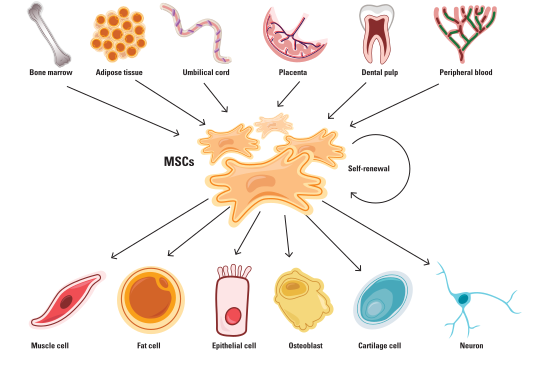
In the 1960s and 1970s, Alexander Friedenstein, a histologist at the USSR Academy of Medical Sciences, isolated a unique type of stromal cells from the bone marrow of mice. When cultured in vitro and transplanted in animals, these spindle-shaped cells differentiated into bone, cartilage, and fat cells (1). This observation led to the discovery of MSCs. Later, scientists found that while MSCs are primarily present in bone marrow, they also reside in other tissues, such as fat, the umbilical cord, peripheral blood, and the dental pulp (2).

Unlike embryonic stem cells, which can develop into any cell type in the body, MSCs are multipotent. This means they can differentiate into a selected range of cell types, including epithelial cells, muscle cells, neurons, and connective tissues like bone, cartilage, and fat (2). MSCs possess self-renewal capabilities, allowing them to replicate and maintain their population over extended periods and supporting ongoing tissue regeneration.

Beyond their self-renewal and differentiation potential, MSCs play a crucial role in  modulating immune responses, particularly  in inflammatory environments such as infections or wounds. For example, when inflammation occurs, MSCs migrate to the affected  tissues, where they aid in tissue repair by  releasing specific cytokines and mediators  that inhibit effector T cells’ activity and  activate immune-suppressing regulatory T  cells, restoring immune homeostasis. Additionally, MSCs exhibit antifibrotic properties  by remodeling the extracellular matrix and  reducing myofibroblast activity. They also  secret pro-angiogenic factors that promote  the formation of new blood vessels (3).

how do scientists engineer CAR T cells

What therapeutic potentials do MSCs offer?

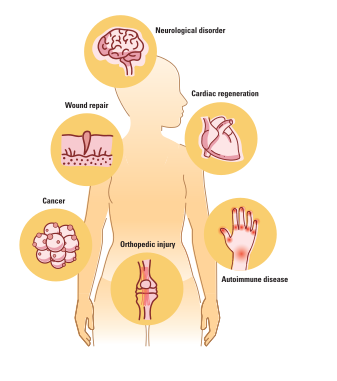
The various sources from which MSCs can be isolated, their ability to differentiate into diverse cell types, and their immunological properties make MSCs attractive therapeutic tools. Regulatory agencies worldwide have approved twelve MSC-based therapies, and over 1,000 clinical trials have been conducted or are underway to explore their potential in treating a wide range of diseases (4).

In bone regeneration, MSCs present a promising alternative to traditional autogenous bone grafts, which have limitations such as unpredictable absorption, prolonged recovery time, and pain at the harvest site. Clinical studies have shown that bone marrow- and umbilical cord-derived MSCs can improve healing in bone fractures and alleviate pain in osteoarthritis (5,6). In wound healing, MSCs have shown efficacy in enhancing tissue regeneration and reducing scarring by promoting fibroblast and endothelial cell growth. Several clinical trials have reported successful results in healing chronic wounds, ulcers, and vocal fold scarring with minimal severe side effects (7,8).

Meanwhile, scientists are investigating MSCs’ role in treating neurological disorders such as amyotrophic lateral sclerosis, Parkinson’s disease, and stroke (9–11). In these diseases, MSCs may help repair damaged motor neurons and improve functional recovery. Cardiovascular diseases also benefit from MSC therapies, with studies showing that transplanting MSCs to patients with myocardial infarction elevates myocardial viability and heart blood flow (12). Additionally, MSCs’ have been tested in treating autoimmune diseases, such as rheumatoid arthritis and type 1 diabetes, where they may modulate overactive immune responses, and cancer, where genetically modified MSCs could target tumor sites and deliver anti-tumor agents (13,14).

what happens when CAR T cells enter the body?

How do scientists generate MSC therapies?

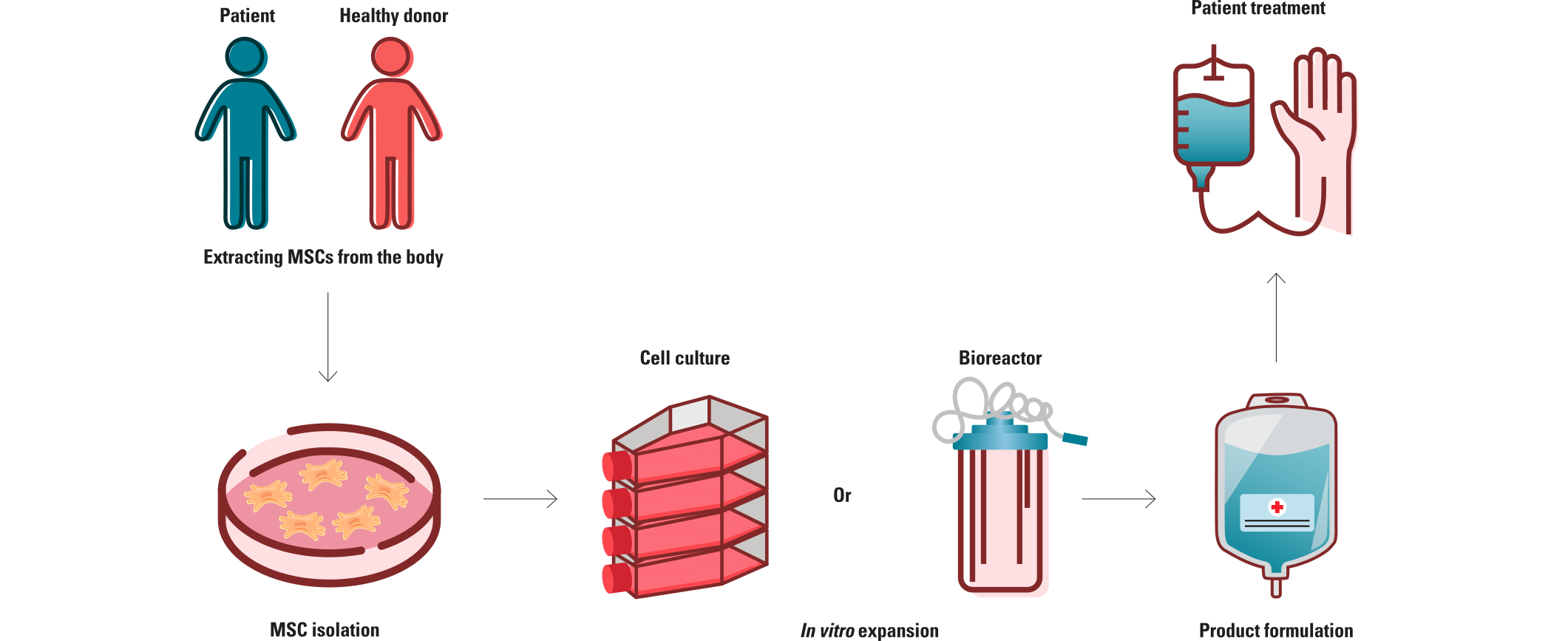
The first step in generating MSC therapies is isolating MSCs. Common sources include bone marrow, adipose tissue, and umbilical cord blood. MSCs can be autologous, obtained from the patient’s own tissue, or allogenic, sourced from healthy donors. To isolate MSCs from the collected tissue samples, scientists use mechanical and enzymatic methods to separate them from other cells.

Once isolated, scientists expand the MSCs in vitro to produce a sufficient number of cells for therapeutic applications. Donor cells isolated from tissues typically need to be expanded to reach a population of one to nine billion cells for adult treatments. In research settings, scientists often conduct small scale experiments using traditional cell culture techniques to test various growth conditions.

As the product transitions to commercial manufacturing, they often employ bioreactors for large scale expansion. These bioreactors create a controlled environment that optimizes MSC growth by managing critical parameters such as temperature, pH, and nutrient levels, maintaining MSC integrity throughout the expansion process.

After achieving the desired cell expansion, scientists harvest the cells and thoroughly characterize their identity, potency, and safety, which includes testing for surface markers, differentiation potential, and secreted factors that contribute to their therapeutic effects. With a suffcient number of high quality MSCs in hand, researchers can then investigate their therapeutic applications. In clinical settings, patients can receive MSC therapies via various routes, such as intravenous injection or direct injection into target tissues.

what happens when CAR T cells enter the body?

How do MSCs exert their therapeutic effects in the body?

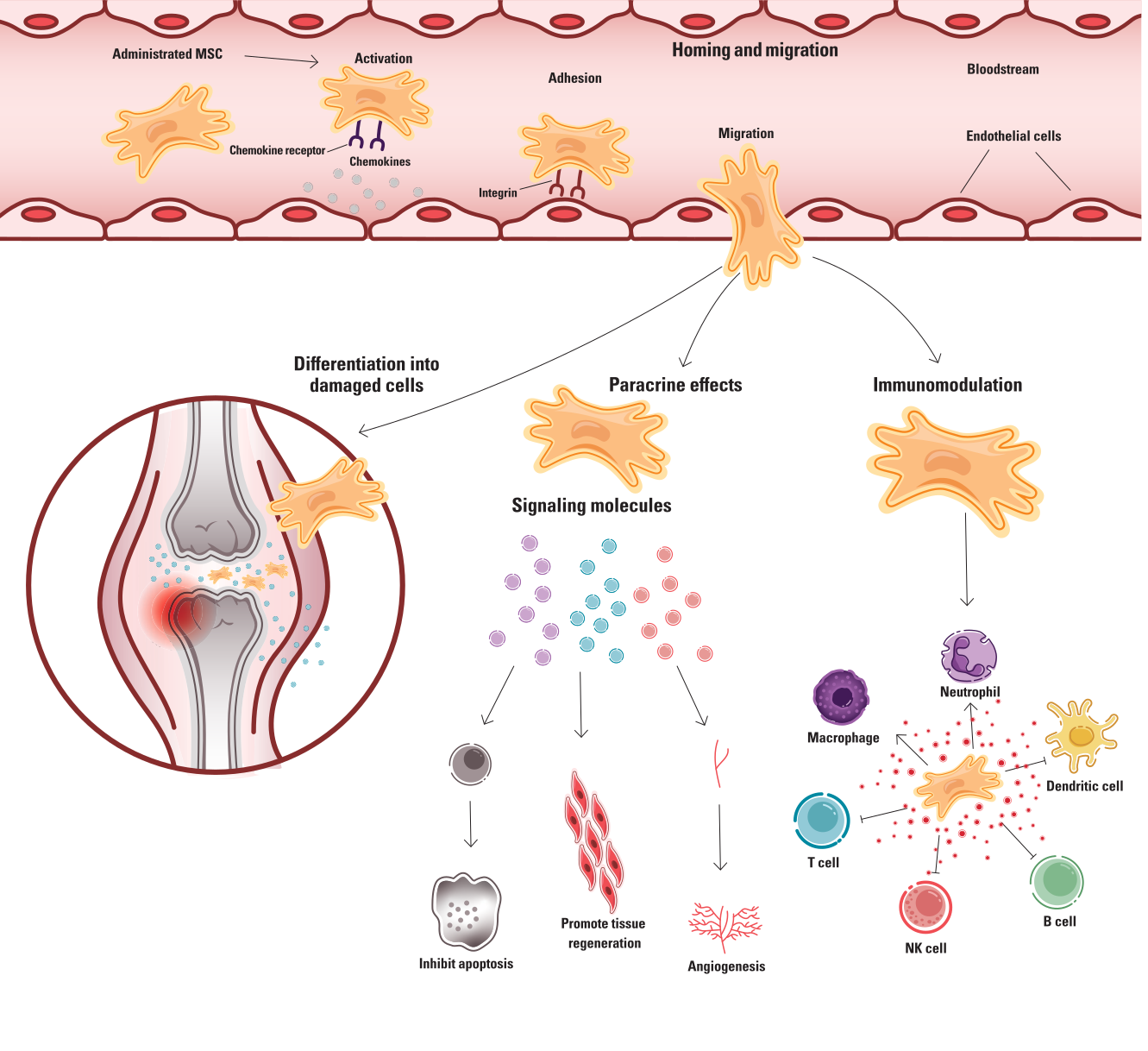
Following administration, MSCs travel through the bloodstream and react to inflammatory signals such as chemokines released by the damaged tissue. These chemokines create a gradient that directs MSCs toward the injury site and prompts the endothelial cells lining the blood vessels to express adhesion molecules on their surfaces. As MSCs flow by, they roll along the endothelial surface and latch on these adhesion molecules via their surface receptors like integrins. Once securely adhered, MSCs squeeze through the endothelial barrier and continue to follow the chemical signals to reach the injury site (15). Once there, MSCs adapt to the local microenvironment and differentiate into the cell types needed to repair the injury.

In addition to directly turning into specialized cell types, MSCs play their therapeutic role through paracrine signaling by secreting a wide array of bioactive molecules, including cytokines, growth factors, and extracellular vesicles containing messenger RNAs, microRNAs, and peptides. These paracrine factors modulate the local microenvironment, promoting cell survival, proliferation, and tissue regeneration. For example, MSCs release vascular endothelial growth factor (VEGF), which facilitates angiogenesis, the formation of new blood vessels essential for supplying nutrients and oxygen to damaged tissues. They also secrete antiapoptotic factors such as hepatocyte growth factor, interleukin-6 (IL-6), and miRNA-25 to enhance cell survival, and antifibrotic factors like prostaglandin E2 (PGE2) and IL-10, which help reduce fibrotic scarring (16).

Another key mechanism by which MSCs exert therapeutic effects is immunomodulation through a combination of secreted factors and direct cell-to-cell interactions. They secrete anti-inflammatory molecules such as transforming growth factor beta (TGFβ), PGE2, IL-10, and indoleamine 2,3-dioxygenase (IDO), which suppress the activity of T cells, B cells, dendritic cells, and natural killer (NK) cells. MSCs also influence the immune system through direct contact by expressing surface molecules like programmed death-ligand 1, which induces T cell apoptosis and promotes regulatory T cell development. Additionally, MSCs can shift macrophages from a proinflammatory state to an anti-inflammatory state (17). By limiting inflammation, MSCs create an immunosuppressive environment for tissue to heal and regenerate.

what types of cancer respond to CAR T cell therapy?

Is MSC therapy safe?

Although numerous studies and clinical trials have generally reported that MSC therapy is safe with minimal adverse effects, the possibility of tumorigenesis remains a significant concern. This is because MSCs share certain traits with tumor cells, such as prolonged proliferation and high resistance to apoptosis. Several factors, including the donor’s age and the recipient’s immune status, can influence the risk of tumorigenesis after MSC transplantation. The manipulation and prolonged culture of MSCs may also lead to genetic instability, increasing the likelihood of malignant transformation (18).

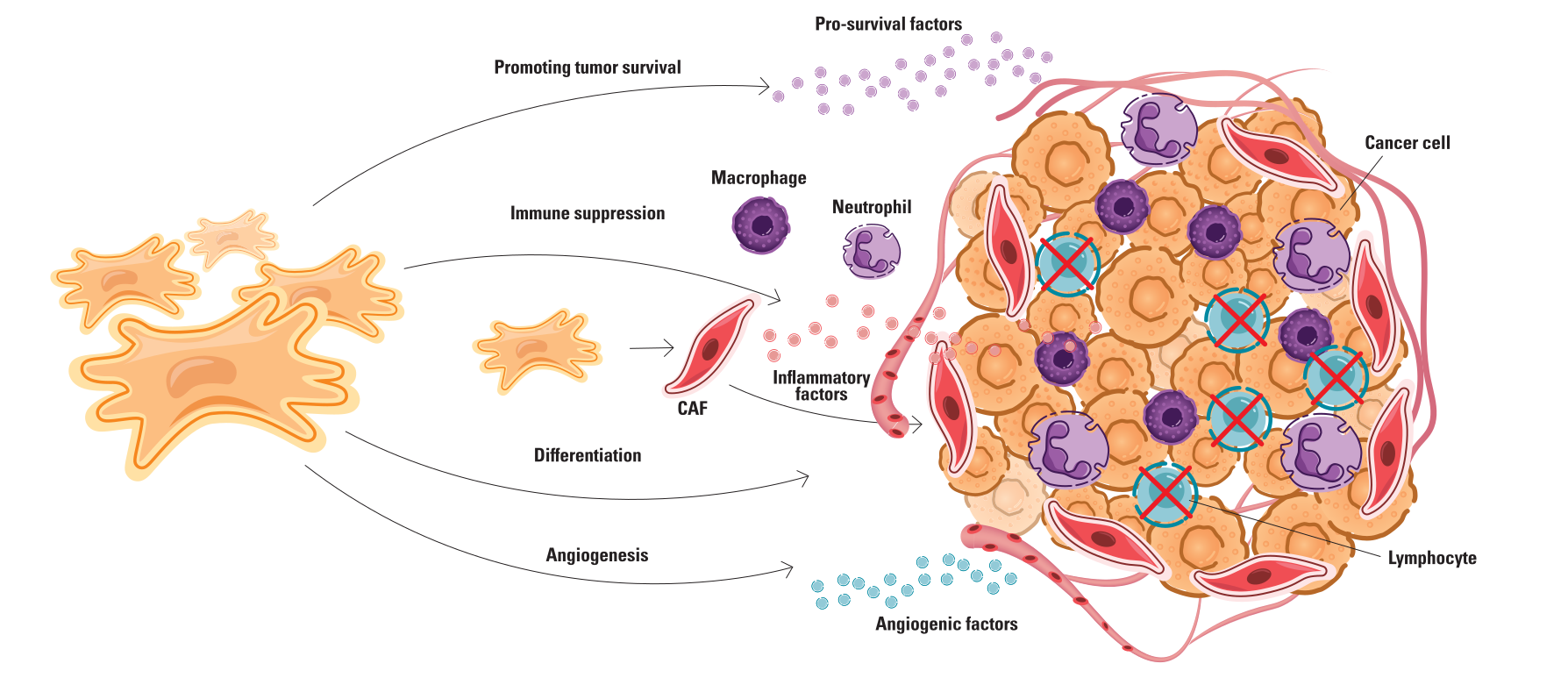
Animal studies have provided evidence that MSCs can promote tumor growth in various cancer models, highlighting a complex interplay between MSCs and tumor biology. For instance, research has shown that metastatic breast carcinoma cells can stimulate MSCs to secrete the chemokine C-C motif ligand 5, facilitating tumor invasion. Other studies have revealed that pro-survival factors, such as VEGF and basic fibroblast growth factor released by MSCs can inhibit tumor cell apoptosis (19).

MSCs also contribute to cancer progression by releasing inflammatory factors that induce immunosuppression in the tumor microenvironment. For example, MSCs isolated from gastric tumors secrete IL-8, a proinflammatory chemokine that promotes the recruitment of leukocytes, including macrophages and neutrophils, to the tumor site, facilitating cancer initiation and progression. Additionally, MSCs secrete TGFβ, which promotes macrophage infiltration and aids in the tumor’s immune evasion (19).

Moreover, MSCs support tumor angiogenesis, a process that provides tumors with essential nutrients and oxygen by expressing angiogenic factors such as TGFβ, VEGF, and IL-6. In response to soluble factors released by cancer cells, particularly TGFβ, MSCs can differentiate into cancer-associated fibroblasts (CAFs), a cell type within the tumor microenvironment capable of promoting tumorigenesis (19). Given these potential risks associated with tumorigenesis, it is crucial to conduct careful research to fully understand MSC therapy’s implications in disease treatment.

what are the side effects of CAR T cell therapy?

Supercharging MSCs

To enhance MSC therapy’s efficacy and mitigate associated side effects, researchers are actively exploring a variety of innovative strategies (20). One prominent approach involves genetic engineering techniques, such as viral transduction and CRISPR technology, which enable MSCs to produce beneficial cytokines and other therapeutic gene products. For example, scientists have engineered MSCs to generate thioredoxin-1, which enhances cardiac function, and IL-12, which has anticancer properties. Another promising strategy is priming, which involves exposing MSCs to specific cytokines, growth factors, or environmental conditions to amplify their therapeutic potential. Ongoing clinical studies have shown that primed MSCs exhibit significantly improved therapeutic effects compared to their unprimed counterparts in treating neurodegenerative diseases. Additionally, researchers are utilizing advanced biomaterials to create supportive scaffolds that improve MSC adherence upon administration. These materials establish a nurturing microenvironment for MSCs that prolongs their therapeutic effects. Together, these approaches hold promise for advancing MSCs’ clinical applications.

REFERENCES

  1. Friedenstein, A. J., Chailakhyan, R. K., Latsinik, N. V., Panasyuk, A. F. & Keiliss-Borok, I. V. STROMAL CELLS RESPONSIBLE FOR TRANSFERRING THE MICROENVIRONMENT OF THE HEMOPOIETIC TISSUES: Cloning In Vitro and Retransplantation In Vivo. Transplantation 17, 331 (1974).
  2. Uccelli, A., Moretta, L. & Pistoia, V. Mesenchymal stem cells in health and disease. Nat Rev Immunol 8, 726–736 (2008).
  3. Margiana, R. et al. Clinical application of mesenchymal stem cell in regenerative medicine: a narrative review. Stem Cell Res Ther 13, 366 (2022).
  4. Fernández-Garza, L. E., Barrera-Barrera, S. A. & Barrera-Saldaña, H. A. Mesenchymal Stem Cell Therapies Approved by Regulatory Agencies around the World.Pharmaceuticals 16, 1334 (2023).
  5. Jayankura, M. et al. Percutaneous administration of allogeneic bone-forming cells for the treatment of delayed unions of fractures: a pilot study. Stem Cell ResTher 12, 363 (2021).
  6. Hernigou, P., Delambre, J., Quiennec, S. & Poignard, A. Human bone marrow mesenchymal stem cell injection in subchondral lesions of knee osteoarthritis: aprospective randomized study versus contralateral arthroplasty at a mean fifteen year follow-up. Int Orthop 45, 365–373 (2021).
  7. Falanga, V. et al. Autologous Bone Marrow–Derived Cultured Mesenchymal Stem Cells Delivered in a Fibrin Spray Accelerate Healing in Murine and HumanCutaneous Wounds. Tissue Eng 13, 1299–1312 (2007).
  8. Hertegård, S., Nagubothu, S. R., Malmström, E. & LeBlanc, K. Treatment of vocal fold scarring with autologous bone marrow-derived human mesenchymal stro-mal cells—first phase I/II human clinical study. Stem Cell Res Ther 11, 128 (2020).
  9. Staff, N. P. et al. Safety of intrathecal autologous adipose-derived mesenchymal stromal cells in patients with ALS. Neurology 87, 2230–2234 (2016).
  10. Canesi, M. et al. Finding a new therapeutic approach for no-option Parkinsonisms: mesenchymal stromal cells for progressive supranuclear palsy. JTransl Med 14, 127 (2016).
  11. Jaillard, A. et al. Autologous Mesenchymal Stem Cells Improve Motor Recovery in Subacute Ischemic Stroke: a Randomized Clinical Trial. Transl StrokeRes 11, 910–923 (2020).
  12. Gao, L. R. et al. Intracoronary infusion of Wharton’s jelly-derived mesenchymal stem cells in acute myocardial infarction: double-blind, randomized controlledtrial. BMC Med 13, 162 (2015).
  13. Jasim, S. A. et al. Shining the light on clinical application of mesenchymal stem cell therapy in autoimmune diseases. Stem Cell Res Ther 13, 101 (2022).
  14. Lan, T., Luo, M. & Wei, X. Mesenchymal stem/stromal cells in cancer therapy. J Hematol Oncol 14, 195 (2021).
  15. Ullah, M., Liu, D. D. & Thakor, A. S. Mesenchymal Stromal Cell Homing: Mechanisms and Strategies for Improvement. iScience 15, 421–438 (2019).
  16. Chang, C. et al. Effects of Mesenchymal Stem Cell-Derived Paracrine Signals and Their Delivery Strategies. Adv Healthc Mater 10, 2001689 (2021).
  17. Song, N., Scholtemeijer, M. & Shah, K. Mesenchymal Stem Cell Immunomodulation: Mechanisms and Therapeutic Potential. Trends Pharmacol Sci 41, 653–664 (2020).
  18. Musiał-Wysocka, A., Kot, M. & Majka, M. The Pros and Cons of Mesenchymal Stem Cell-Based Therapies. Cell Transplant 28, 801–812 (2019).
  19. Hmadcha, A., Martin-Montalvo, A., Gauthier, B. R., Soria, B. & Capilla-Gonzalez, V. Therapeutic Potential of Mesenchymal Stem Cells for Cancer Therapy. Front BioengBiotechnol 8, (2020).
  20. Zhou, T. et al. Challenges and advances in clinical applications of mesenchymal stromal cells. J Hematol Oncol 14, 24 (2021).