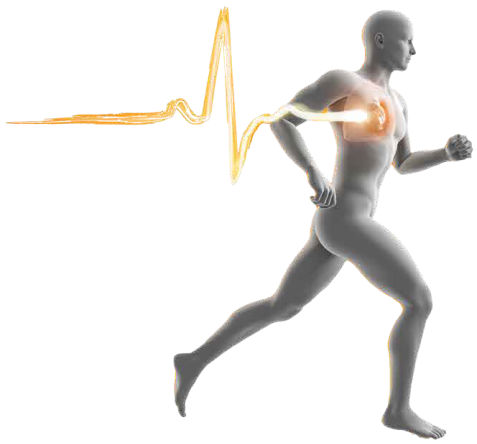
Many effects of exercise on the body emerge gradually. While runners slowly build stamina, their hearts register and react to physical exertion in real time. To satisfy the body’s changing needs and respond to increased stress during exercise, the heart experiences several immediate adaptations at organ, cellular, and subcellular levels. These short term effects help fuel the body during exercise and influence how it functions at rest, leading to lasting cardiovascular benefits.
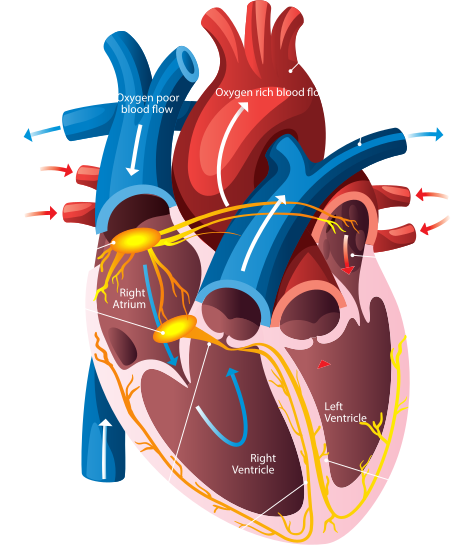
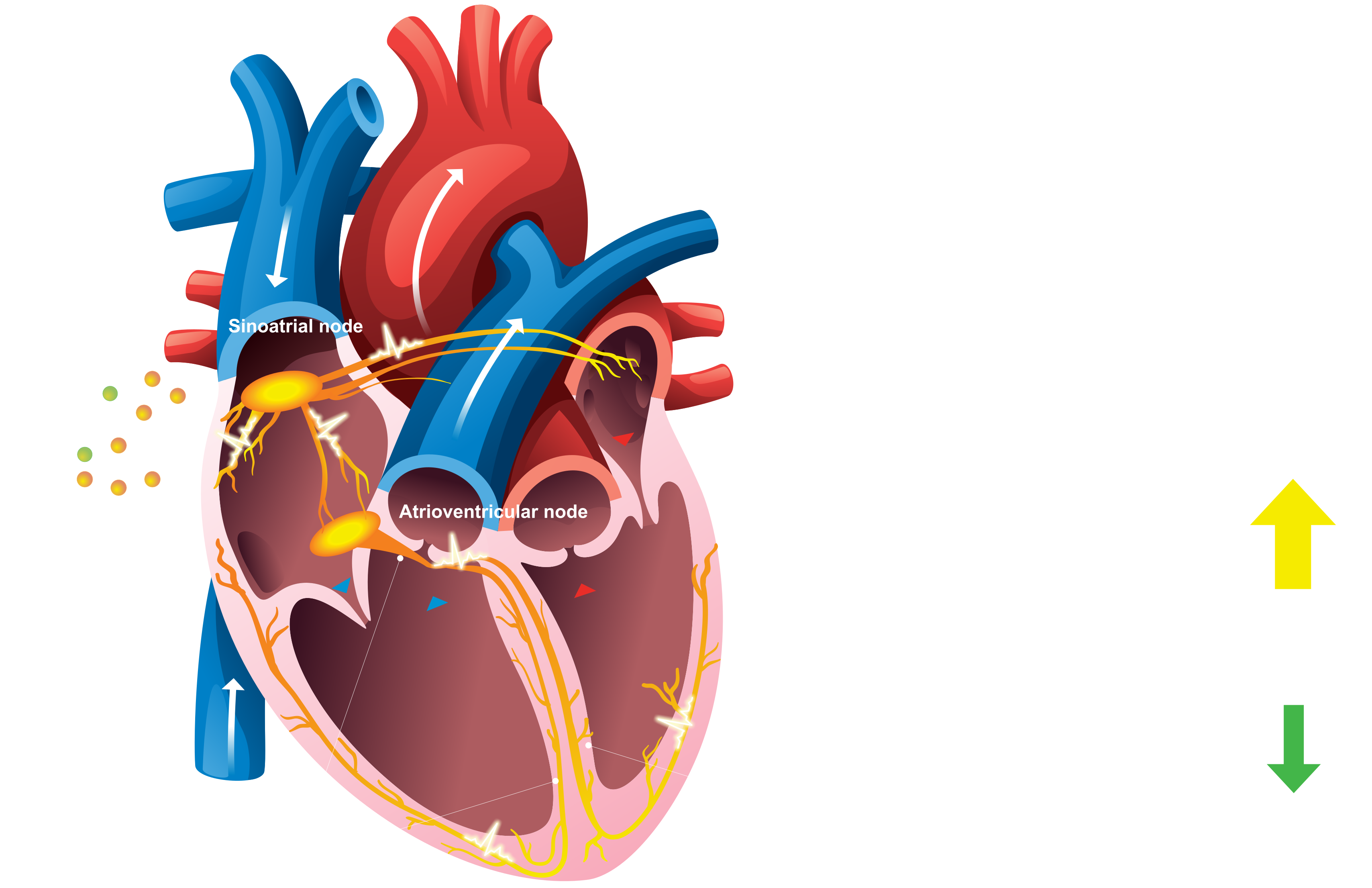
While the runners stretch to warm up their muscles, their hearts perform the critical function of pumping blood throughout their bodies. This process occurs through a highly synchronized transfer of blood between four chambers: the right atrium, the right ventricle, the left atrium, and the left ventricle. The right atrium receives oxygen-poor blood from the body and pumps it into the right ventricle, which sends it through the pulmonary artery to the lungs. The left atrium receives the oxygen-rich blood from the lungs and pumps it into the left ventricle, which sends it out to the body through the aorta. As these four chambers work in concert, a system of structures that transmit an electrical signal acts as their conductor, cueing muscles in different chambers to contract and pump blood (1,2).
The electrical signal originates in the sinoatrial node, a structure in the right atrium that serves as the heart’s pacemaker. The electrical pulse travels through the atria, where it spurs the atria to contract and pump blood into the heart’s ventricles. The electrical signal then reaches the atrioventricular node, another structure near the center of the heart, and slows to allow the ventricles time to fill with blood. Then the atrioventricular node sends the signal through the bundle of His, a group of fibers that branches off into right and left bundles, forming a thread like network along each side of the heart. The electrical signal journeys through this network, causing the ventricles to contract and pump blood out of the heart (1,2).

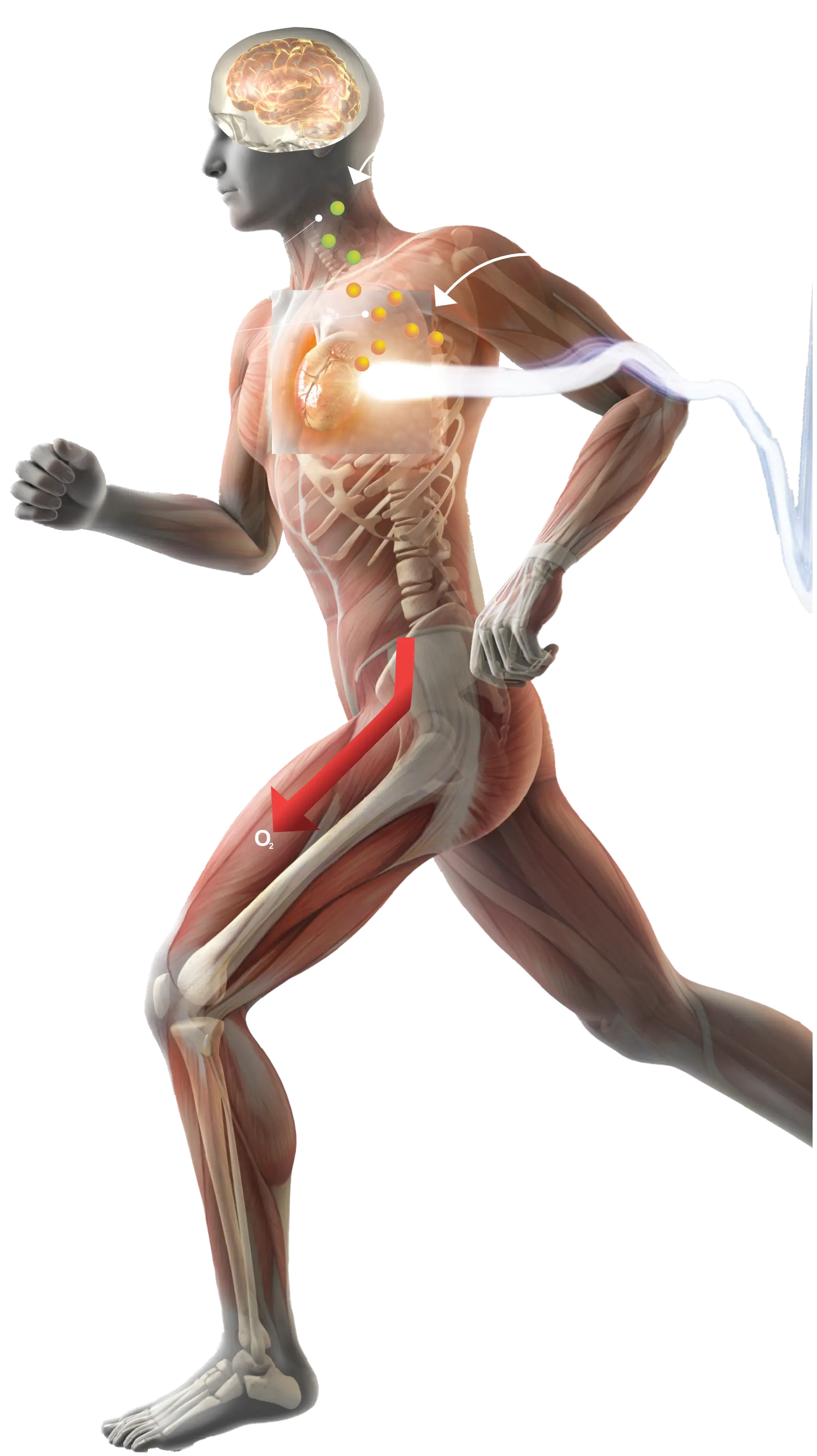
While an electrical pulse acts as the conductor for the heart’s chambers, these pulses have a grand maestro of their own: the autonomic nervous system. A balancing act between the sympathetic and parasympathetic components of the autonomic nervous system controls heartbeat by speeding up or slowing down the heart’s electrical signaling (3). Sympathetic nerves release the neurotransmitter norepinephrine, which binds to and activates specific receptors in the heart that increase the rate of electrical firing of the sinoatrial and atrioventricular nodes (3). Although researchers do not entirely understand the reason for this effect, they think that this neurotransmitter activity regulates ion channels, creating a favorable electrical environment for the heart’s pacemaking current (3,4).
In contrast, parasympathetic nerves release the neurotransmitter acetylcholine, which binds to a different receptor in the heart. This interaction decreases the firing of the sinoatrial and atrioventricular nodes, likely also by affecting the heart’s electrical environment (3). As runners set off on their routes, their muscles consume more oxygen to produce energy. To replenish the oxygen supply, their breathing and heart rates increase to take in more oxygen and deliver it to their muscles (5). To increase their heart rates, the runners’ bodies upregulate the sympathetic nervous system and downregulate the parasympathetic nervous system. This shift toward norepinephrine signaling stimulates the activity of the sinoatrial and atrioventricular nodes, causing the heart to beat faster (3,4).

As the runners hit their strides, their hearts not only beat faster, but their atria and ventricles pump blood more forcefully. By increasing the force of cardiac contractions, the heart circulates more oxygen throughout the body during exercise.
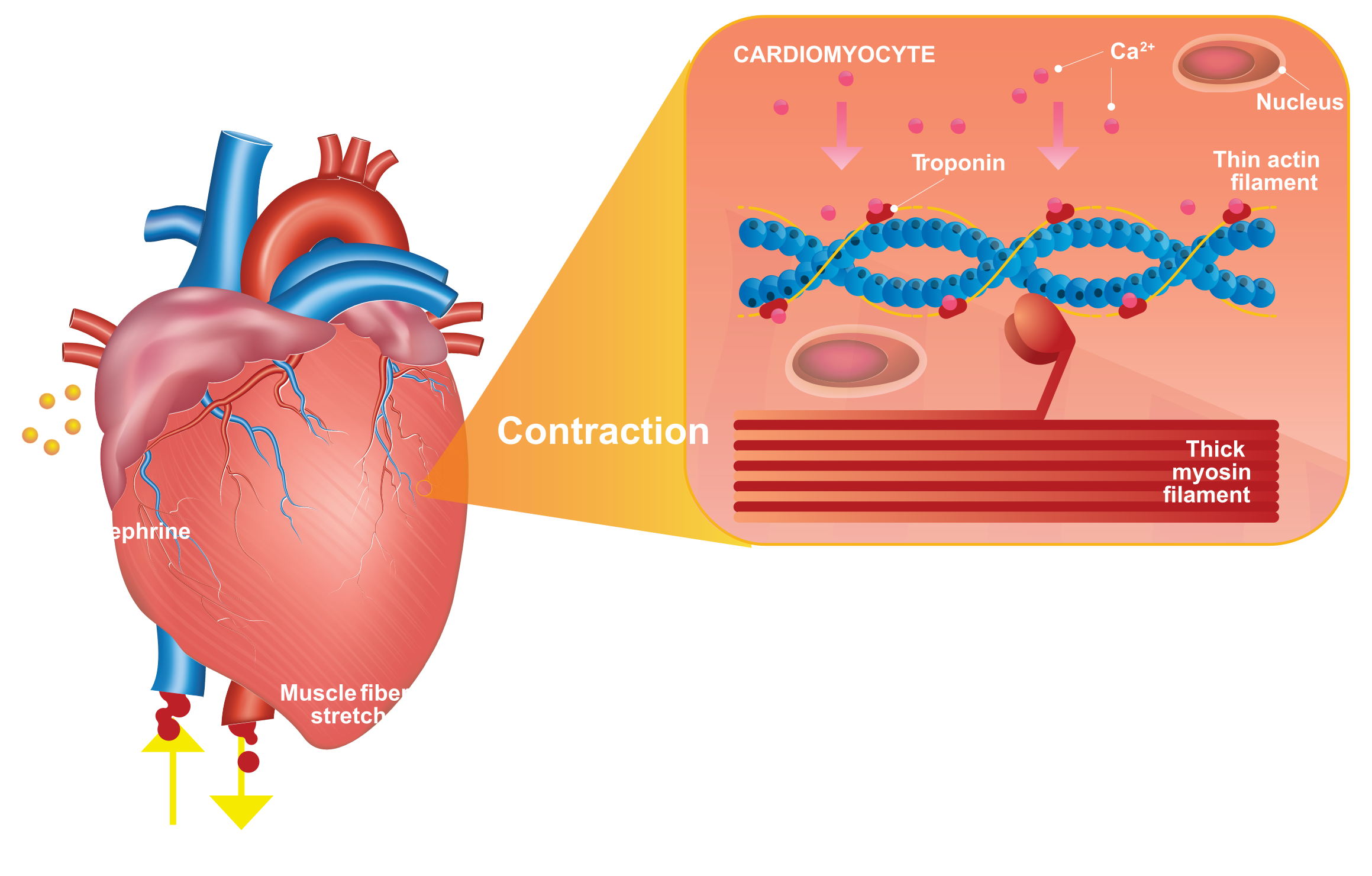
Calcium flux in heart muscle cells (cardiomyocytes) regulates the force of cardiac contraction. Norepinephrine signaling by the sympathetic nervous system promotes calcium uptake in cardiomyocytes by opening ion channels that transport calcium into the cytoplasm (3,4). This calcium binds to the troponin protein complex on thin actin muscle filaments to trigger a conformational change that allows them to crosslink with thick myosin muscle filaments. The interaction between these thick and thin muscle filaments generates a force that causes the heart to contract (6). Upregulation of the sympathetic nervous system during exercise increases cytoplasmic calcium levels, muscle filament crosslinking, and the force of cardiac contraction (3,4).
A physical process reinforces this chemical cascade. Beating faster and pumping harder increases the heart’s blood output during exercise (4). To keep up, more blood flows back to the heart, stretching the muscle fibers in the heart (4,7). Like a rubber band looped around a finger and pulled back, this stretching imposes greater tension in the muscle fibers. And just as a rubber band flies when released, these fibers produce a more forceful contraction, allowing the heart to pump even harder during exercise (8).
As the runners’ hearts race and pound approaching the final stretch, the cells in their hearts experience a unique form of stress caused by changes in temperature, oxidation state, pH, and ion concentration (4). In response, cardiac cells activate several protective mechanisms to help them survive exercise-induced stress. Researchers have characterized these adaptations mostly in cardiomyocytes, which make up the majority of the adult heart’s volume but show a limited ability to proliferate (4).
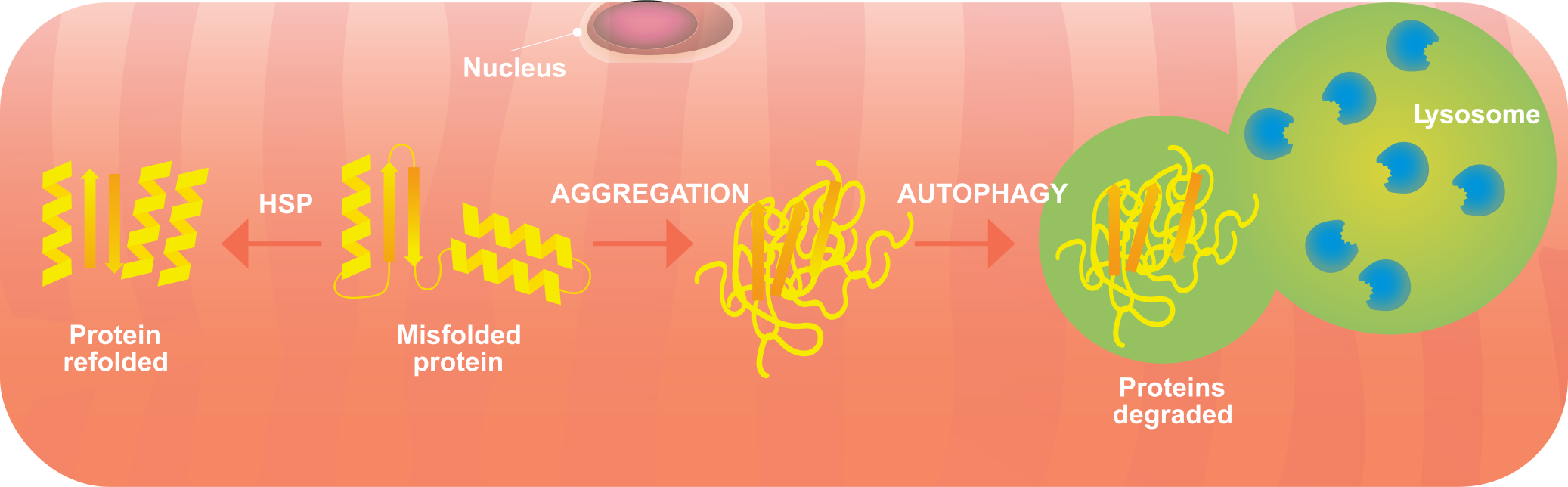
In response to a rise in body temperature during exercise, cardiomyocytes increasingly express heat shock proteins (HSPs) (4). HSPs exhibit cardioprotective effects during stress by restoring protein structure (9,10). While researchers are still studying the role of elevated HPSs during exercise, they hypothesize that HSPs help cells refold proteins that became denatured under the stressful conditions of exercise (11,12).
If the cardiomyocytes cannot refold these proteins, they degrade them in cellular quality control centers (4). Stress during exercise can also rapidly increase autophagy, the process by which enzymes in the lysosome break down misfolded protein aggregates (4,13). Ramping up this recycling process not only clears waste but produces energy that may help cells sustain energy needs during exercise (4,14,15). In one study of mice, a team of researchers at the University of Texas Southwestern Medical Center demonstrated that treadmill exercise disrupted a key autophagy-inhibiting protein complex, enhancing autophagy in the heart within 30 minutes (15).
While the runners’ cardiomyocytes cope with stress, the cells’ energy-producing mitochondria develop their own sets of specific adaptations to exercise. Adult cardiomyocytes contain thousands of mitochondria that occupy about 40% of their volumes (16). These powerhouse organelles help the heart meet the significant energy requirements needed to pump blood throughout the body (16). When the demand is even higher during exercise, mitochondria upregulate their energy metabolism pathways.
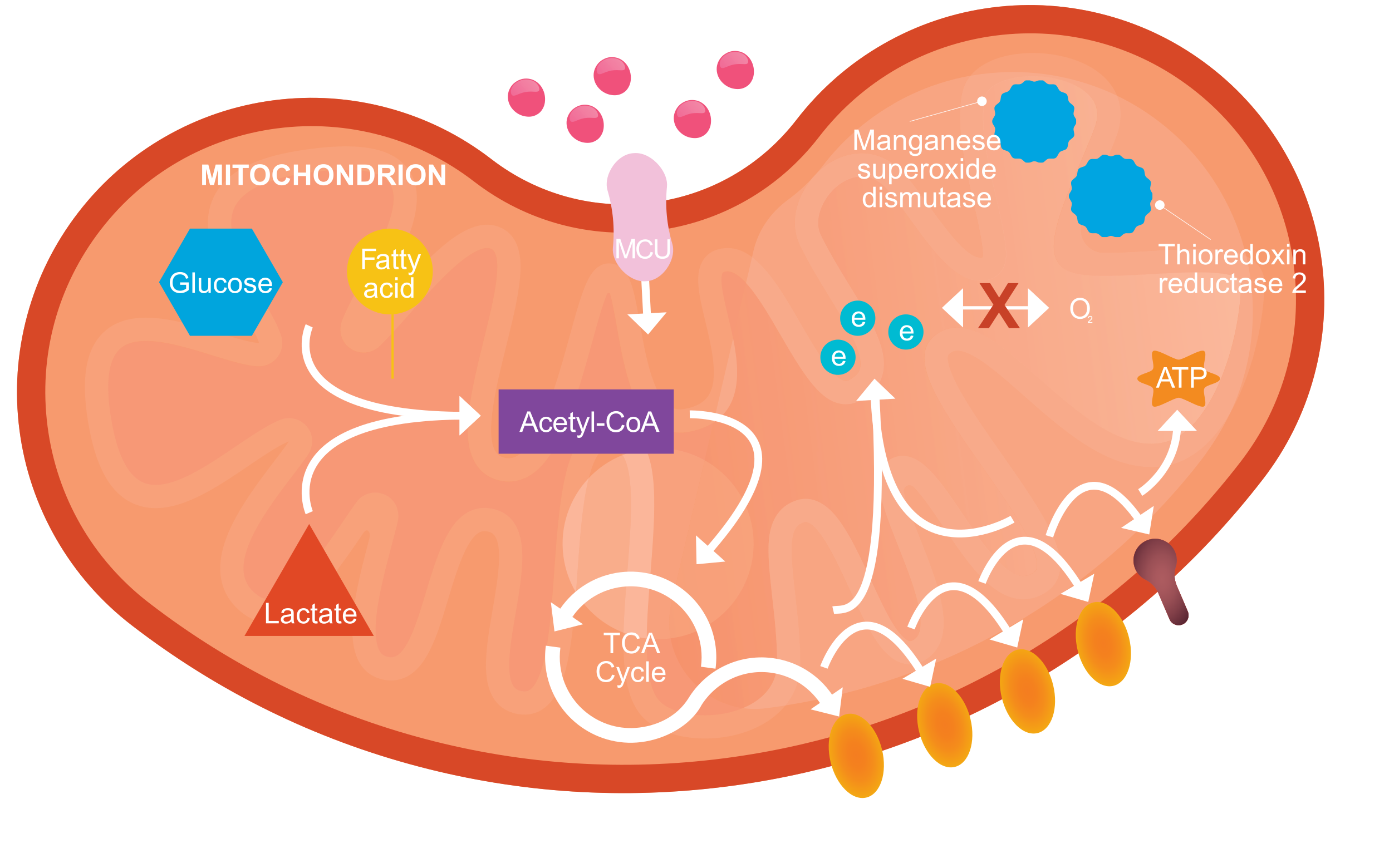
In runners performing sustained aerobic exercise, the main energy substrates available are fatty acids and glucose. In a weightlifter practicing short, high intensity anaerobic exercise, the primary energy precursor is lactate (4). During exercise, mitochondria rapidly convert fatty acids, glucose, or lactate into acetyl-CoA, an intermediate molecule needed to generate energy (4). Mitochondria then convert pools of acetyl-CoA into adenosine triphosphate (ATP), the cell’s molecular energy source, via the tricarboxylic acid (TCA) cycle, electron transport chain (ETC), and ATP synthase pathway (4).
Occasionally, electrons escape the ETC and react with oxygen, forming reactive oxygen species that can participate in chemical reactions that damage DNA, proteins, and lipids (17). To protect these cellular components from reactive oxygen species formed during energy production, cardiomyocytes can upregulate antioxidant enzymes such as manganese superoxide dismutase and thioredoxin reductase 2 in mitochondria (4,18,19).
Exercise can also enhance the activity of the mitochondrial calcium uniporter (MCU), an ion channel that shuttles calcium into the mitochondria (4). Transporting calcium into mitochondria via the MCU helps prevent calcium overload in the cytoplasm during exercise, which can disrupt cardiomyocyte function (4). Increasing mitochondrial calcium uptake may also further drive energy production during exercise as calcium activates ATP syntase and dehydrogenase enzymes in the TCA cycle (20,21).
While the immediate effects of exercise on the heart are short term, they add up to long term cardiovascular benefits. Beating faster and pumping harder during exercise strengthens the heart, allowing it to pump blood more easily (22). Although heart rate spikes during a run, an exercise trained heart can lead to a lower resting heart rate (and blood pressure) over time, which may reduce cardiovascular disease risk (23).
Similarly, activation of protective mechanisms in response to a mild stressor like exercise may prepare the heart to appropriately react to major stressors during aging and disease (4,24). While exercise acutely increases reactive oxygen species, chronic exercise can lead to lower baseline levels of these damaging species, likely due to the upregulation of antioxidant responses (4,25).
Scientists are still unraveling the immediate effects of exercise on the heart and how they accumulate to promote heart health. As researchers continue to investigate these complex and intertwined cellular pathways, new drug targets and a more complete understanding of the therapeutic benefits of exercise for the heart will arise.