Before the introduction of CRISPR gene editing technology, editing the genome was a concept found in movies and rarely done in real life. While technologies such as zinc finger nucleases allowed for certain types of editing, they were hard to use and often hard to design. Over the past few decades, the discovery, characterization, and application of CRISPR-Cas systems has allowed for specific, targeted, and purposeful genome editing. Scientists have leveraged CRISPR-based gene editing systems to model diseases, develop therapeutics, and improve crop yields among many other applications.


In 1992, Francisco Mojica, a microbiologist at the University of Alicante, worked to understand how halophilic archaea, salt-loving prokaryotes, survived in harsh, briny environmental conditions. To look for clues, Mojica decided to investigate their genomes and uncovered short sequences of base pairs that repeated regularly.
“We immediately realized that they were not related to halo-adaptation because they were expressed or transcribed in every single salinity we tested,” Mojica said. “We tried to understand the meaning of that and what was the role that they played.”
These repeats, along with spacer sequences of similar lengths that separated them, were later christened clustered regularly interspaced short palindromic repeats (CRISPR) in 2002 (1). Further research revealed CRISPR systems in a number of other bacteria and archaea. To figure out how organisms used CRISPR, Mojica used a word processor to isolate the CRISPR base pair sequences and then FASTA software to match them to the existing sequences of other microorganisms.
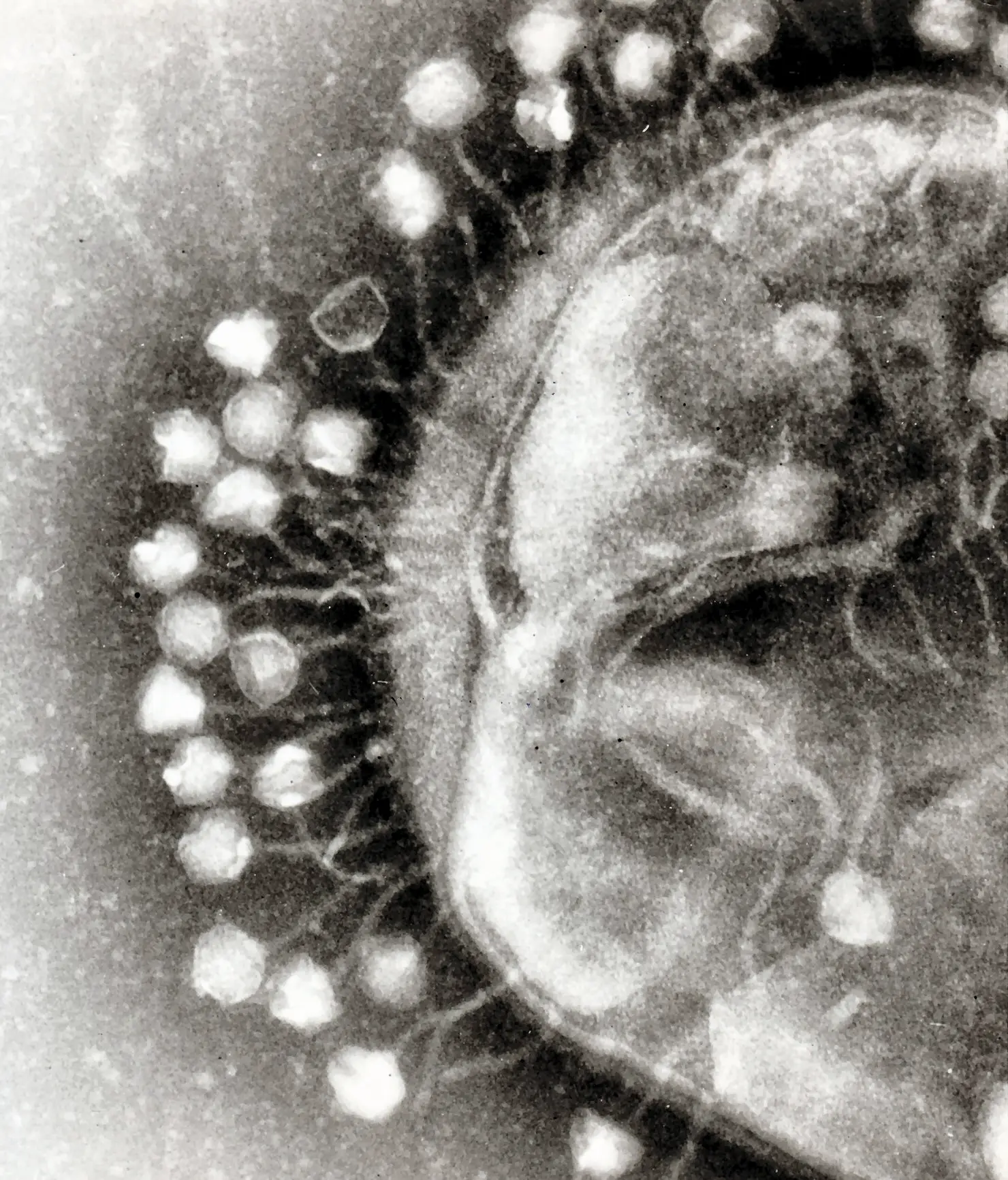
“We saw that one of them matched a sequence in a phage that infected the host, and the host was E. coli,” Mojica recalled. As a result, Mojica hypothesized that these repeats were involved in a bacterial type of immune system to protect them from foreign DNA sequences (2).
Following Mojica’s discovery of CRISPR, other scientists quickly identified Cas9, a protein that they predicted to cut DNA, in 2005. They also noticed that the spacer sequences in between each CRISPR repeat shared a short common sequence at one end, which they later termed protospacer adjacent motifs (PAM) (3).
While several scientists had predicted that CRISPR-Cas9 was part of a novel DNA repair system, computational biologist Eugene Koonin at the National Center for Biotechnology Information took a different view. Koonin’s team was interested in horizontal gene transfer — the movement of genes between organisms of the same generation, rather than between parents and children — between different kinds of bacteria and archaea. Through computational analysis, he and his team confirmed Mojica’s finding that sequences in the spacers were shared by phages.
Based on these observations, Koonin’s team developed “a detailed hypothetical scheme of how this thing was supposed to work in adaptive immunity,” he recalled. He also drew potential parallels between CRISPR-Cas9 and RNA interference, where RNA molecules silence expression of certain genes, including those of invading viruses. This adaptive immunity hypothesis, published in 2006 (4), prompted molecular biologist Philippe Horvath, then at Danisco France SAS, to experimentally demonstrate that the CRISPR-Cas9 system provided resistance against phage infection in bacteria (5).
Erik Sontheimer, an RNA biologist then at Northwestern University, was also intrigued by Koonin’s proposed schema of the CRISPR-Cas9 role in adaptive immunity. Together with graduate student Luciano Marraffini (now at Rockefeller University), he set out to determine whether CRISPR-Cas9 targeted DNA or RNA (6).
One of his key experiments incorporated a spacer region into a plasmid containing a non-coding region of DNA, which he introduced into cells in culture. If CRISPR-Cas9 targeted RNA, no interference would occur since the spacer would not be transcribed into RNA. “Yet, we still had CRISPR interference,” Sontheimer explained. “The fact that we got CRISPR interference against the plasmid, even with a region that had no function and didn’t code for anything — that’s most consistent with DNA targeting.”

While scientists had demonstrated that CRISPR-Cas9 was involved in adaptive immunity, “the mechanism was very unclear,” said Virginijus Siksnys, a biochemist at Vilnius University. To figure this out, Siksnys’s team began exploring what happened when CRISPR-Cas9 moved from one bacterium to another. “It showed that CRISPR-Cas9 systems are independent functional units that you can transplant between different bacteria,” he said. “This transplanted functional unit also provided interference against invading phages.”
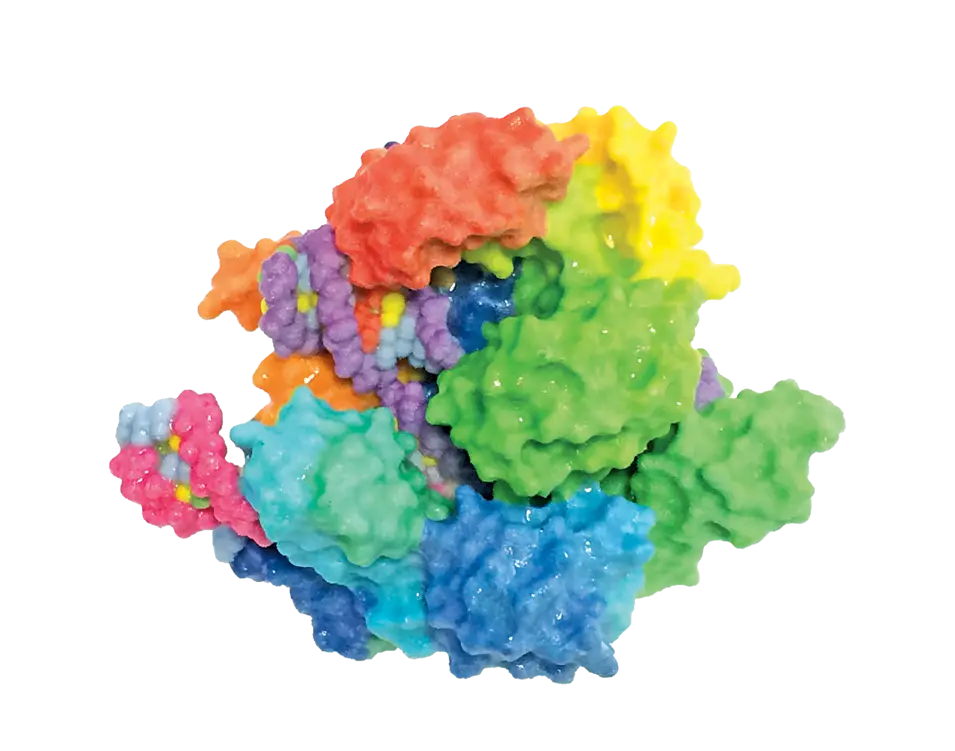
Published in 2011, Siksnys recalled that this finding “to some extent, paves the way for transfer of CRISPR systems in eukaryotes” (7). Building on this work and other studies that uncovered the Cas9 cleavage mechanism and RNA guide mechanism, Siksnys’ group isolated the Cas9 protein and demonstrated in 2012 that it used an RNA molecule to guide itself to cleave a specific spot in DNA and that Cas9 could be reprogrammed simply by changing the guide RNA’s sequence (8).
Siksnys submitted the paper for publication, only to be surprised at its rejection without peer review. In the meantime, biochemist Jennifer Doudna at the University of California, Berkeley and biochemist Emmanuelle Charpentier at the Max Planck Institute showed that the CRISPR-Cas9 system depended on a two RNA molecule system composed of a trans-activating crRNA (tracrRNA) and CRISPR RNA (crRNA) that directed the CRISPR-Cas9 system towards the appropriate DNA sequence (9). Doudna and Charpentier also demonstrated that the crRNA and tracrRNA could be synthetically combined into a single RNA chimera, which introduced the possibility of targeted, specific gene editing via CRISPR-Cas9. Their paper was published just prior to Siksnys’ paper in 2012; Doudna and Charpentier later won the 2020 Nobel Prize in Chemistry for this work.
With the biochemical mechanism of CRISPR-Cas9 uncovered, molecular biologist Feng Zhang at the Broad Institute of Harvard and MIT next applied the system to edit eukaryotic cells. Using CRISPR-Cas9 from Streptococcus pyogenes bacteria, Zhang and his team generated custom chimeric tracrRNA-crRNAs (now called guide RNAs, gRNA) as Doudna and Charpentier had described, and tested these against several gene targets, including mouse Th loci and human PVALB. Targeting many of these loci proved successful, indicating that CRISPR-Cas9 could be designed to target and edit a broad variety of genomic loci (10). These results, along with similar data from geneticist George Church at Harvard University (11), pushed CRISPR-Cas9 forward as a programmable and powerful tool for genome editing.
As CRISPR-Cas9 generated increasing interest, scientists began to investigate other CRISPR-Cas systems from a variety of species. They worked to classify CRISPR-Cas into several types (1-6) and classes (1-2), with each type relying on different Cas protein complexes and mechanisms and each class using structurally different effector molecules (Cas proteins). One system, CRISPR-Cpf1, requires a shorter crRNA as a targeting guide, making it easier and less expensive to synthesize a custom RNA guide molecule (12). In contrast with the S. pyogenes-derived CRISPR-Cas9 system, which generates blunt ends that are better for gene silencing, this system also generates cuts with sticky ends, leaving the door open for DNA sequence insertions (12).
As CRISPR-Cas systems became a thriving field, scientists became interested in other kinds of editing. Biochemist David Liu at Harvard University and his team decided to use the sequence targeting capabilities of CRISPR-Cas9 to switch individual bases, a technique called prime editing.
To do this, Liu’s team used a modified Cas9 (dCas9) protein that could bind DNA via guide RNA molecules but could not cleave the DNA sequence. They attached a cytidine deaminase enzyme, which switches cytosine to uridine, to the dCas9 (13). Using a custom guide RNA, the CRISPR-dCas9-deaminase system cleanly switched bases at specific locations in the DNA sequence. Later, Liu’s group generated a similar system to switch an A-T base pair to a G-C base pair, further expanding the possibilities of genome editing at single base resolution.
Sontheimer’s group continues to improve these base editors with the goal of applying them to treat certain genetic diseases. In some cases, they “want to actually change the sequence in a highly defined way, where you take the mutated gene that results in disease, and you correct it back to the wild type, healthy version that non-patients carry,” Sontheimer said. “The important thing is that you want to specifically rewrite it; you don’t just want to introduce a random insertion or deletion to break the gene.”
Leveraging these different types of CRISPR-Cas systems has led to myriad applications for treating diseases ranging from Alzheimer’s disease to Duchenne muscular dystrophy. CRISPR-Cas can also be used for biosensing, cell engineering, and diagnostics. A bustling biotechnology niche has also rapidly emerged, with companies such as Intellia Therapeutics founded by Sontheimer, Caribou Biosciences cofounded by Doudna, and Beam Therapeutics cofounded by Liu and Zhang.
Another powerful application of CRISPR-Cas is in disease modeling, where researchers create models of diseases in isolated cells. This allows scientists to study diseases and search for promising therapeutic targets in cultured cells rather than relying on patients and increasing their burdens.
Nevan Krogan, a systems biologist at the University of California, San Francisco, used CRISPR-based methods in conjunction with structural biology studies to figure out the functional significance of certain genes. By using CRISPR-Cas9 in T cells, Krogan and colleagues screened more than 400 genes to identify their roles in HIV infection. The functionally significant genes could then be used in downstream studies as drug targets. “CRISPR is so powerful and can be used as a discovery tool,” he said. “But then it can be pivoted and potentially used as a therapeutic tool as well.”
The potential applications for CRISPR are limitless, ranging from detecting disease to treating it, from facilitating drug target discovery to expanding the nutrition and availability of food crops, and even going as far as reviving the extinct woolly mammoth by gene editing Asian elephants. Scientists will continue designing better CRISPR-Cas systems and finding new ones to advance these goals and develop new initiatives. “The story is continuing and goes on,” Krogan said.